Program 02 · Core programIn development
Foundations of Clinical & Minimally Invasive Procedural Medicine
Fundamental clinical and procedural skills
The fundamentals every procedure depends on.
- For
- Physicians and physicians in training, no procedural experience assumed
- Curriculum
- 6 modules · 20 topics
- Format
- To be announced
- Academic direction
- Dr. S. Nouri Rafiee
Entry pointDesigned as the practical entry point for physicians without procedural experience, and as the foundation on which the Academy's other programs build.
StatusIn development. The program is built on the Rafiee Educational Approach, whose framework has been developed. Its topics are outlined on this page; format, dates and venue have not yet been announced.
Where procedural practice begins
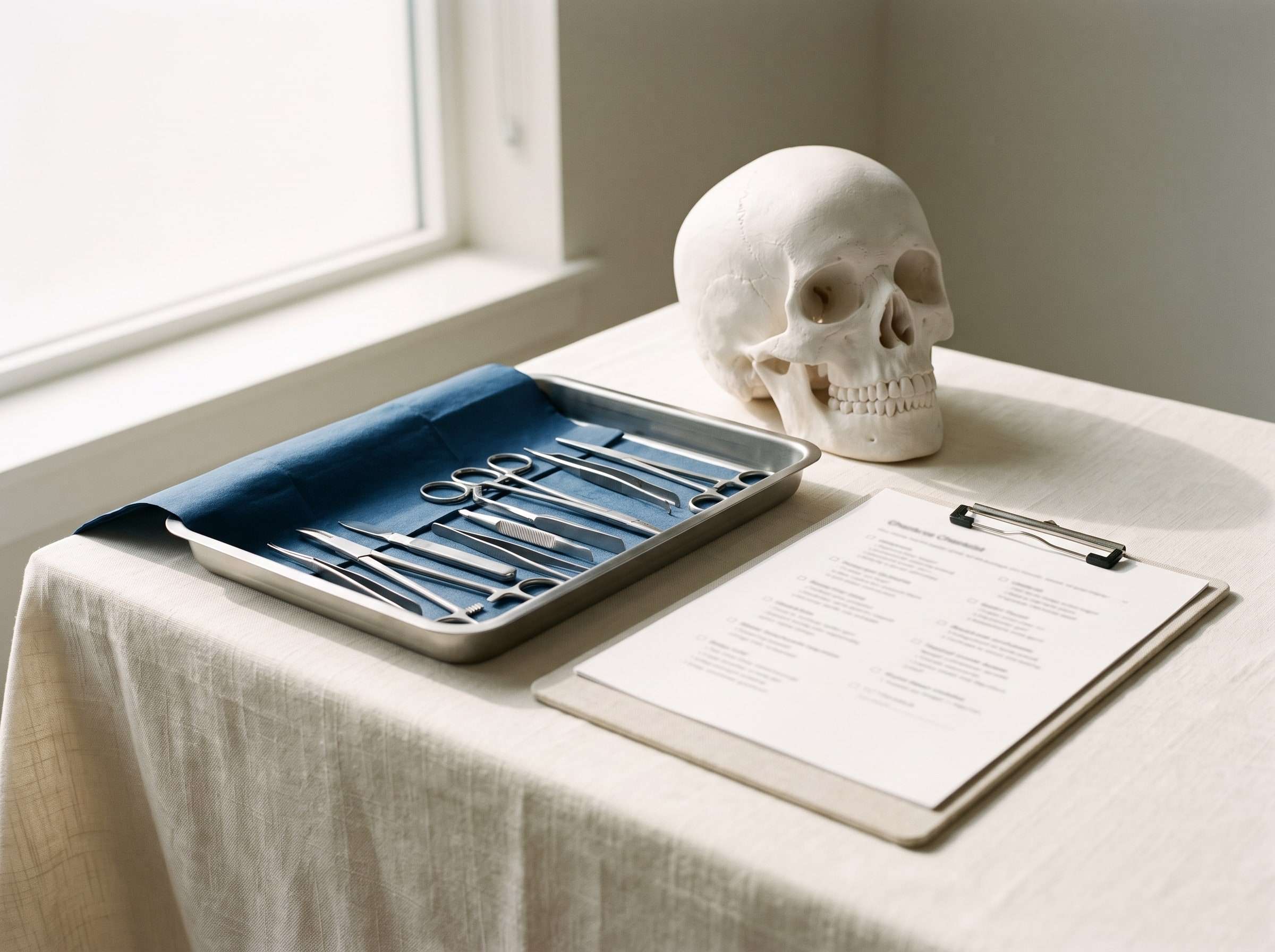
Every procedure in surgical and aesthetic medicine rests on a small set of fundamental skills: a clean field, a well-placed local anesthetic, a safe puncture, a secure knot, a patient who is watched and a record that is kept. These skills are often learned informally, by watching and repeating, and gaps in them tend to show only when something goes wrong.
Foundations of Clinical & Minimally Invasive Procedural Medicine is designed as the practical entry point to the Academy’s curriculum for physicians without procedural experience, and for those returning to procedures after time away. It applies the Rafiee Educational Approach at its most elementary level: assess before acting, prepare before touching, and know from the start when not to intervene and when to ask for help.
What the program covers
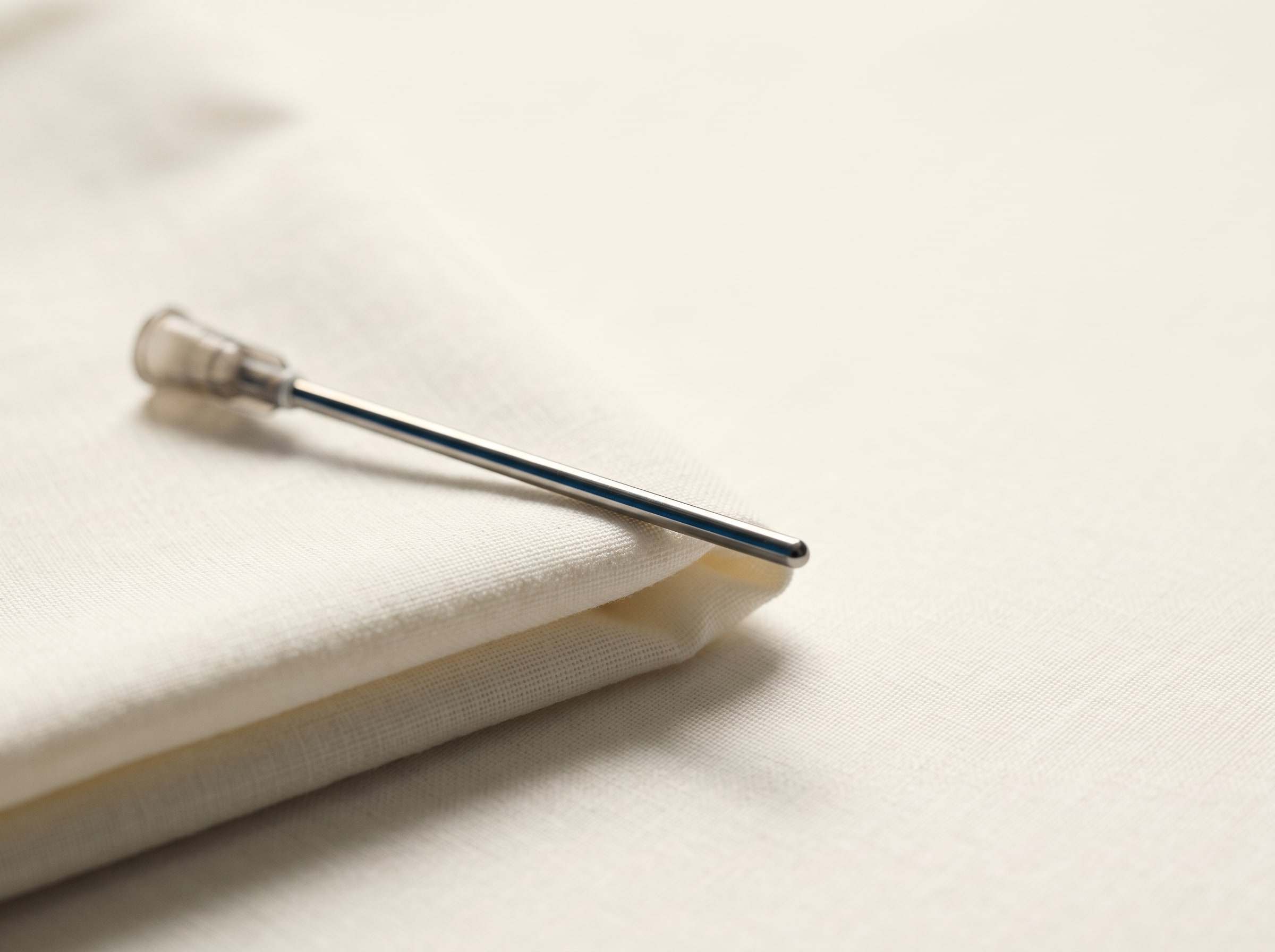
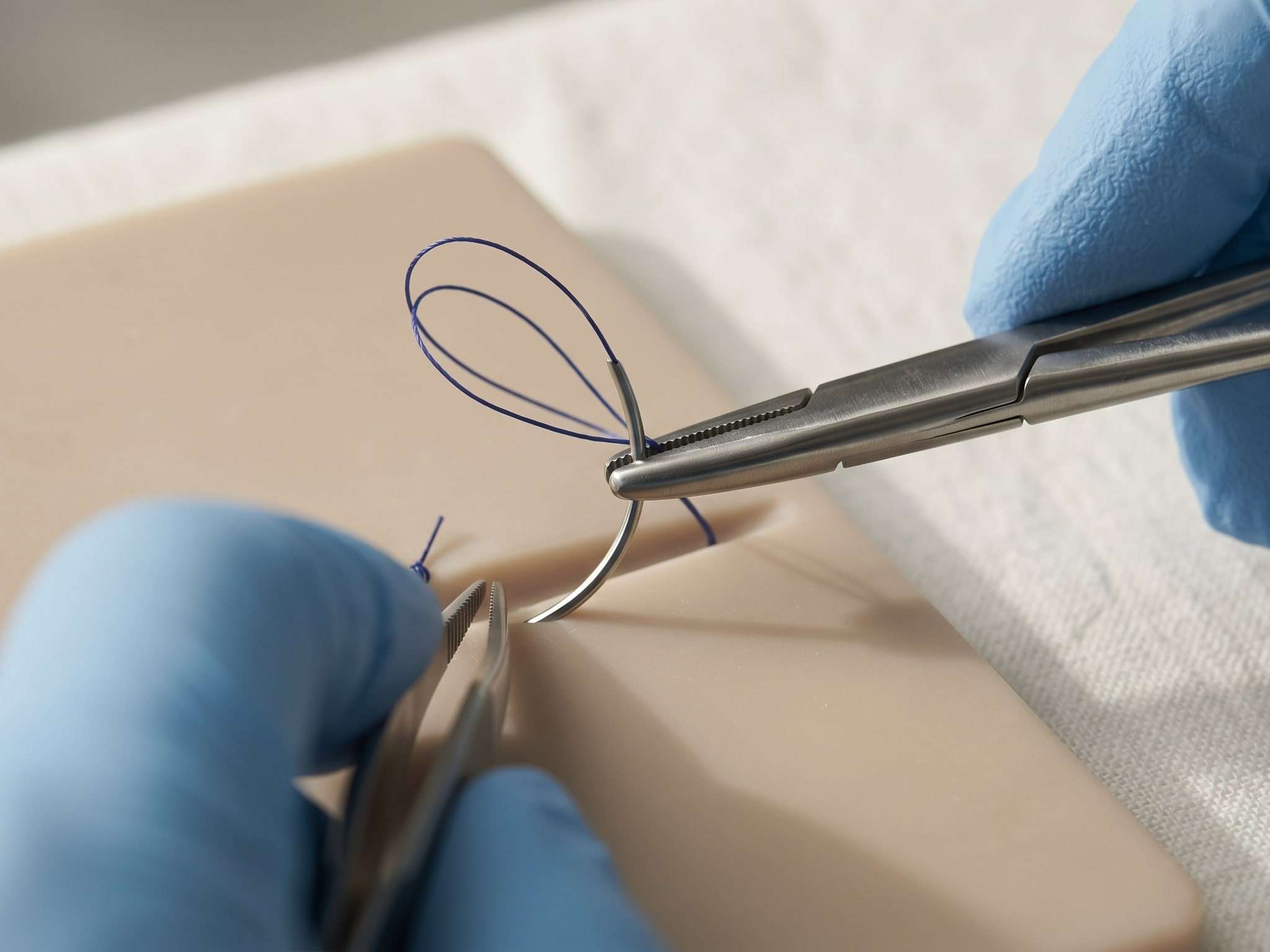
The six modules follow the course of a basic procedure. The first sets up asepsis, antisepsis and the sterile field, the conditions every later step depends on. The second covers local anesthesia, infiltration and injection technique; the third, venipuncture, peripheral IV access, puncture, aspiration and drainage. The fourth introduces basic sutures and surgical knots as fundamentals, not yet as aesthetic closure.
The fifth module gathers what keeps the patient safe around all of these: basic monitoring, clear clinical documentation, the management of minor complications and the recognition of warning signs that call for escalation or referral. The sixth is less a topic than a method: simulation, anatomical models and supervised basic procedural practice, where the skills of the other five are rehearsed.
How it is taught
The program is designed to follow the Academy’s teaching progression: foundational knowledge and demonstration first, then repetition on simulation and anatomical models, where error carries no risk to patients, and only then supervised practice where local regulation allows it. Feedback is designed to accompany each stage. Learning is to be assessed across knowledge, technical skill, patient safety and decision-making, as set out in the assessment framework, which is itself in development.
Its place in the curriculum
The overlaps between programs are deliberate. This program teaches basic sutures and knots; Wound-to-Scar™ develops wound management and aesthetic closure; Aesthetic Surgical Skills for Physicians develops advanced aesthetic surgical technique. The safety habits introduced here, such as clear documentation and the recognition of warning signs, are taken further in Clinical Aesthetic Practice & Patient Safety, which develops the early recognition and management of complications. How procedural skills are learned and assessed, through simulation, feedback and objective assessment, is the subject of the planned program Clinical Simulation, Procedural Skills & Assessment.
Current status
The program is in development. It is built on the Rafiee Educational Approach, whose framework has been developed; format, dates and venue have not been announced and will be published on this page. Registering interest is the way to hear first and to tell the Academy what your practice needs.
No procedure is too small to be done properly: a clean field, a safe dose, a secure knot, a clear record and the judgment to stop.
Who it is for
- Physicians and physicians in training without procedural experience who want a structured, supervised start before performing basic procedures.
- Physicians returning to procedural work after time away, who want to rebuild the fundamentals in order and under supervision.
- Physicians who intend to go on to the Academy's surgical and aesthetic programs and want the shared groundwork in place first.
Intended outcomes
The program is designed so that participants will be able to:
- Apply asepsis and antisepsis, prepare a surgical field and maintain sterile technique from the start of a basic procedure to its end.
- Give local anesthesia by infiltration safely, and use injection and puncture techniques with a clear picture of the anatomy beneath the needle.
- Perform venipuncture and peripheral IV access, and judge when aspiration or drainage is appropriate and when it belongs with a more experienced colleague.
- Place basic sutures and tie secure surgical knots, as the groundwork for the wound closure developed in later programs.
- Monitor a patient around a basic procedure, document it clearly, and recognize minor complications and the warning signs that call for escalation or referral.
- Work within the limits of their competence, license and local regulation, and recognize when not to proceed.
Curriculum outline
What the program is designed to cover. The detailed syllabus, format and dates will be published on this page with the first edition.
Where it sits in the Rafiee Educational Approach
- Module 01
Asepsis and the sterile field
The conditions every later step depends on: preventing contamination, preparing the skin and the field, and keeping technique sterile from the first instrument to the final dressing.
- Asepsis and antisepsis
- Surgical field preparation
- Sterile technique
- Module 02
Local anesthesia and injection
How local anesthesia is given safely and effectively, and the injection techniques that basic procedures share, taught with attention to the anatomy beneath the needle.
- Local anesthesia
- Infiltration
- Injection techniques
- Module 03
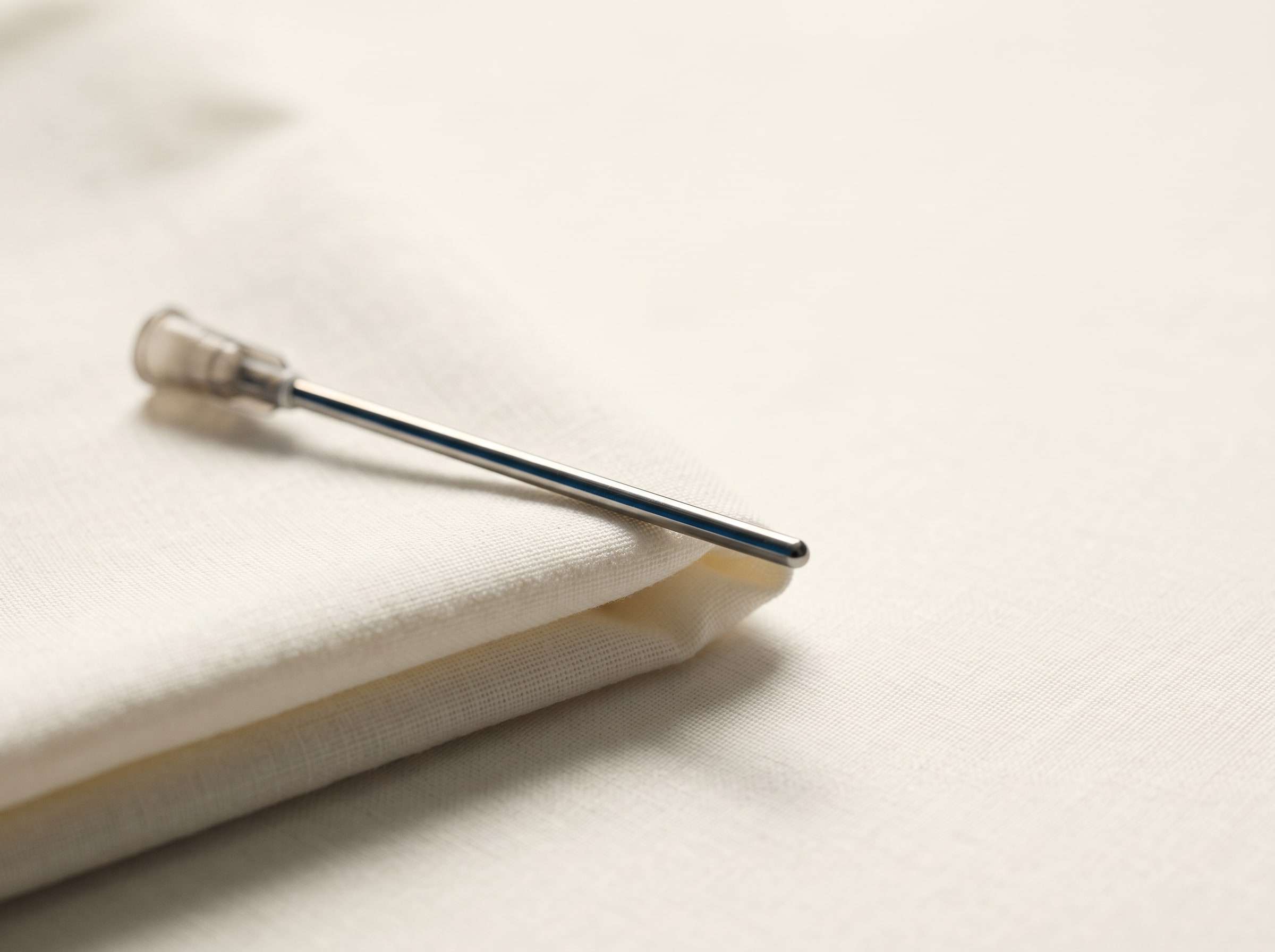
Access, puncture and drainage
Venous access and the puncture techniques of everyday clinical work, with the indications, landmarks and precautions that decide whether a procedure should go ahead at all.
- Peripheral IV access
- Venipuncture
- Puncture techniques
- Aspiration and drainage
- Module 04
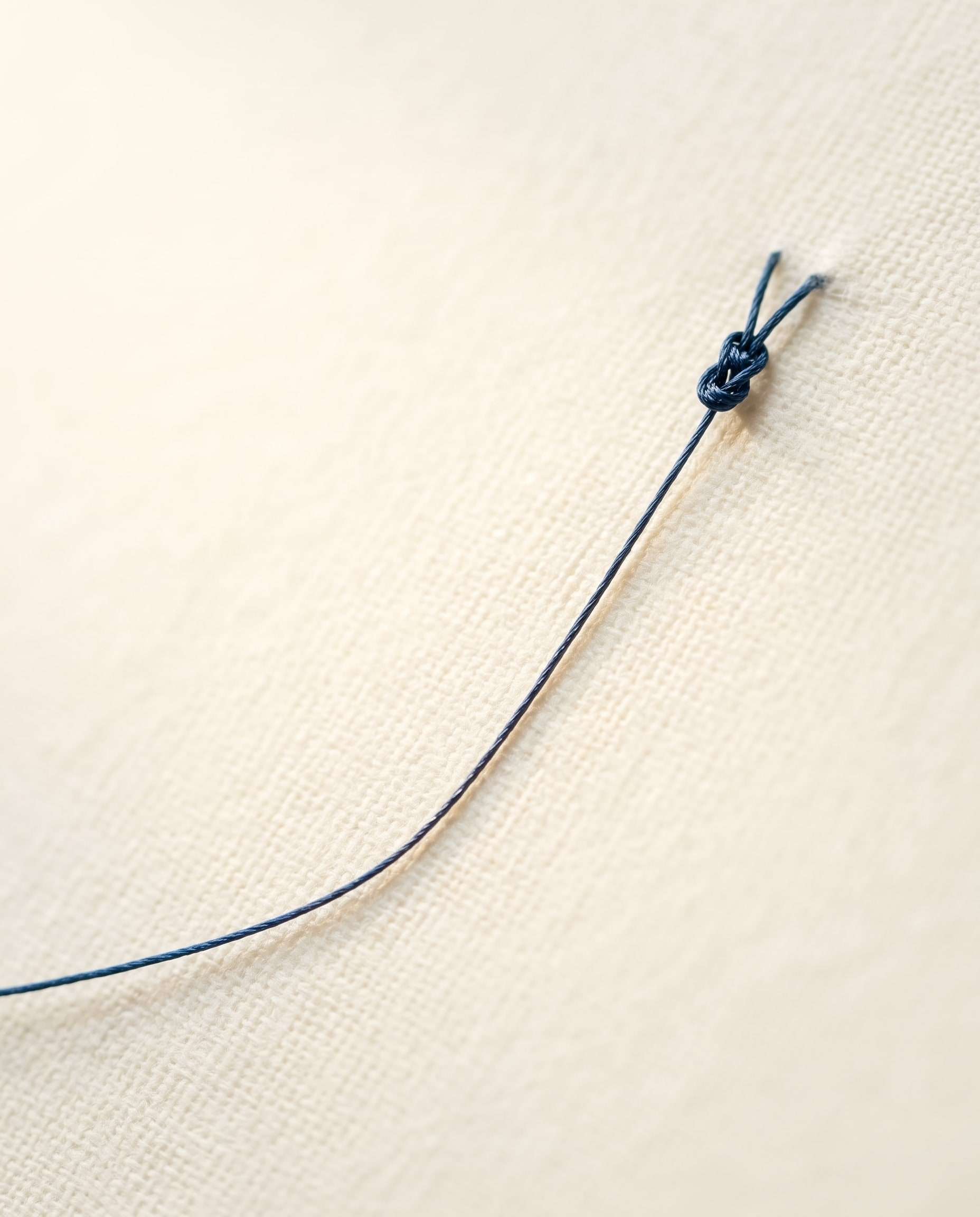
Sutures and knots
Basic sutures and secure knots, taught as fundamentals: placing a stitch and tying a knot that holds. Wound management and aesthetic closure are developed in later programs.
- Basic sutures
- Surgical knots tied by hand
- Surgical knots tied with instruments
- Module 05
Monitoring, documentation and safety
What protects the patient around every procedure: watching the patient before, during and after, recording what was done, managing minor complications and recognizing the warning signs that call for escalation or referral.
- Basic patient monitoring
- Clinical documentation
- Minor complications
- Recognition of warning signs
- Module 06
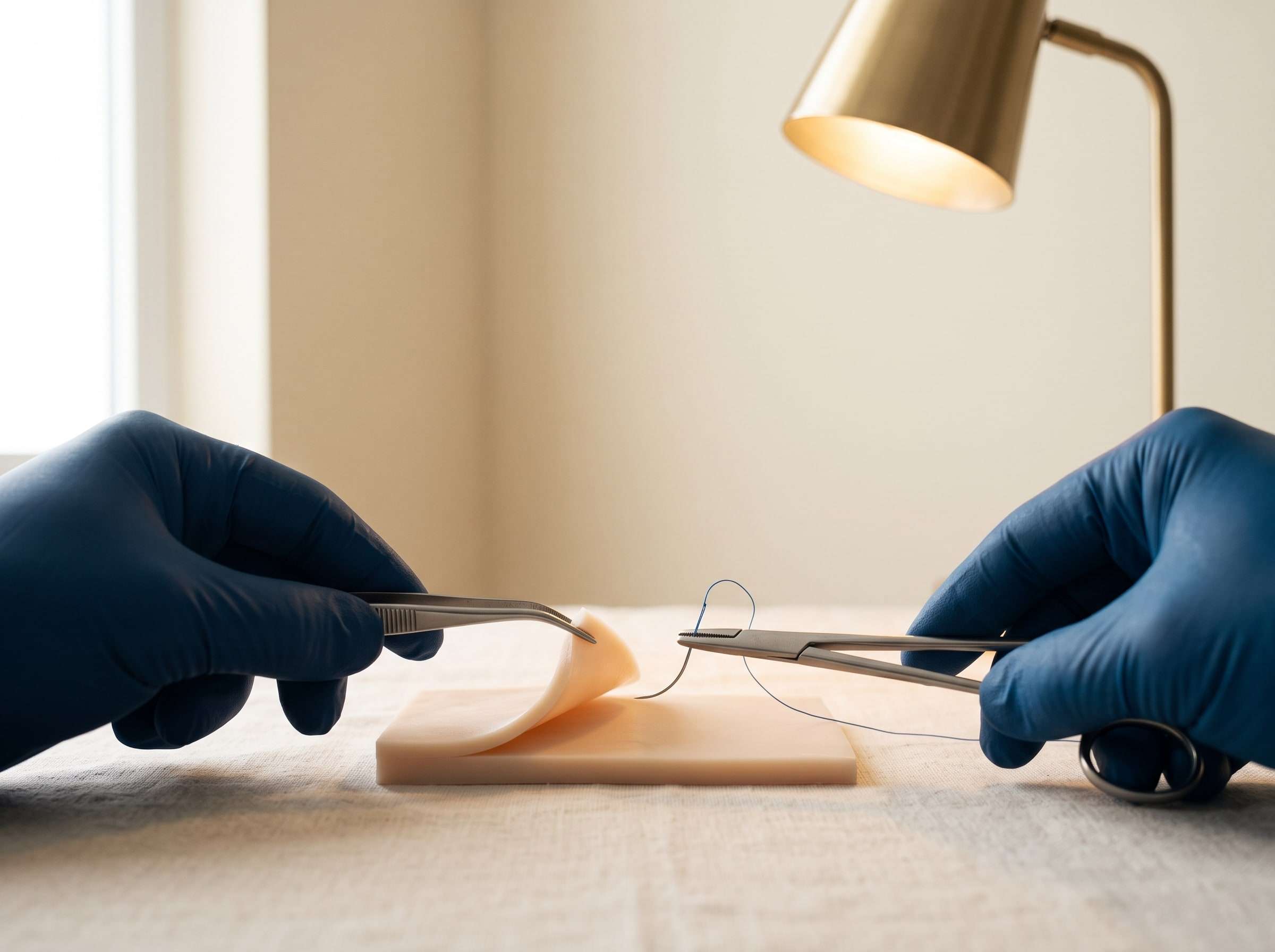
Simulation and supervised practice
The method that runs through the other five modules: skills are rehearsed on simulation and anatomical models until they are reliable, and only then practiced under supervision where local regulation allows it.
- Simulation-based practice
- Practice on anatomical models
- Supervised basic procedural practice
How it is taught
Format, dates and venue to be announced. The program is designed to move from foundational knowledge and demonstration to repeated practice on simulation and anatomical models, and then to supervised basic procedural practice where local regulation allows it, with feedback and assessment at each stage.
The teaching progression- 1Foundational knowledge
- 2Demonstration
- 3Simulation
- 4Supervised practice
- 6Feedback
- 7Assessment
Scope and boundaries
What the program does not do matters as much as what it does. These limits are part of the teaching.
- The program does not authorize participants to perform any procedure outside their qualifications, license or legal scope of practice. What a physician may perform, and under what supervision, is defined by local regulation, which differs from country to country.
- Injuries or findings involving deeper structures, such as nerves, tendons, vessels or ducts, and any situation beyond a participant's competence are taught as recognition and referral, not as procedures to perform independently.
- It is a foundations program. It does not replace the supervised training required by a participant's institution or employer before procedures are performed on patients.
- The program is not currently accredited for CPD or CME credit.
Questions about Clinical & Procedural Foundations
Do I need previous procedural experience?
No. The program is designed as the practical entry point for physicians and physicians in training without procedural experience, and for physicians returning to procedures after time away. It assumes that participants are physicians or physicians in training.
Will I practice on patients?
Technique is designed to be rehearsed first on simulation and anatomical models, where repetition and error carry no risk to patients. Supervised basic procedural practice is included only where local regulation allows it, and is designed to take place under direct supervision.
Will completing the program allow me to perform these procedures independently?
No. The program does not authorize any procedure beyond a participant's qualifications, license or local regulation, and it does not replace the supervised training an institution or employer requires. It is designed to give that training a sound, structured starting point.
How does it relate to Wound-to-Scar™ and Aesthetic Surgical Skills for Physicians?
This program teaches basic sutures and knots as fundamentals. Wound-to-Scar develops wound management and aesthetic closure, and Aesthetic Surgical Skills for Physicians develops advanced aesthetic surgical technique. The three are designed to build on one another.
Does the program carry CPD or CME credit?
No. This program is not currently accredited for CPD or CME credit. Any accreditation will be stated on this page only once it has been granted.
All programs
Core programs
The foundation of the curriculum: wound management, procedural basics, aesthetic surgical skills and safe clinical practice.
Wound-to-Scar™
Structured Surgical Wound Management & Scar OptimizationFlagship · In developmentFoundations of Clinical & Minimally Invasive Procedural Medicine
Fundamental clinical and procedural skillsIn developmentAesthetic Surgical Skills for Physicians
Aesthetic analysis, local flaps, plasties and fine techniqueIn developmentClinical Aesthetic Practice & Patient Safety
Safe clinical practice and decision-making in aesthetic medicineIn development
Advanced & specialized programs
Programs that build on the core: simulation and assessment, consultation and practice, and clinical imaging.
Clinical Simulation, Procedural Skills & Assessment
How procedural skills are learned, rehearsed and assessedPlannedAesthetic Consultation, Ethics & Practice Development
Communication, consent, ethical conduct and the organization of a practicePlannedClinical Imaging & Ultrasound in Aesthetic Medicine
Ultrasound anatomy, image-assisted planning and patient safetyPlanned
Research & educational development
A line of inquiry into the biology of healing and scarring. It studies the science behind the programs and is not taught.