Core · Advanced & specialized · Research
Educational programs in surgical and aesthetic medicine
Eight programs on one educational framework. Four core programs form the foundation, three advanced and specialized programs build on them, and a research line studies the biology of healing without being offered as teaching.
Core programs
The foundation of the curriculum: wound management, procedural basics, aesthetic surgical skills and safe clinical practice.
Wound-to-Scar™
Structured Surgical Wound Management & Scar OptimizationFlagship · In developmentFoundations of Clinical & Minimally Invasive Procedural Medicine
Fundamental clinical and procedural skillsIn developmentAesthetic Surgical Skills for Physicians
Aesthetic analysis, local flaps, plasties and fine techniqueIn developmentClinical Aesthetic Practice & Patient Safety
Safe clinical practice and decision-making in aesthetic medicineIn development
Advanced & specialized programs
Programs that build on the core: simulation and assessment, consultation and practice, and clinical imaging.
Clinical Simulation, Procedural Skills & Assessment
How procedural skills are learned, rehearsed and assessedPlannedAesthetic Consultation, Ethics & Practice Development
Communication, consent, ethical conduct and the organization of a practicePlannedClinical Imaging & Ultrasound in Aesthetic Medicine
Ultrasound anatomy, image-assisted planning and patient safetyPlanned
Research & educational development
A line of inquiry into the biology of healing and scarring. It studies the science behind the programs and is not taught.

What the status labels mean
- Framework developed
- The educational framework has been designed and written down. It has not yet been evaluated with learners.
- In development
- The program is being designed on the basis of the framework. Format, dates and venue have not been announced.
- Planned
- The program is part of the curriculum plan and its content has been outlined. Its development, format and dates have not been announced.
- Pilot in development
- A first, evaluated implementation is being prepared. No results exist yet.
- Research line · Not currently offered as teaching
- A line of inquiry into the science behind wound healing. It is not taught as a program and makes no clinical claims.
- Not yet evaluated
- No formal evaluation has been carried out yet. When one has, its method and results will be published.
How is the curriculum organized?
The programs follow one architecture. Four core programs form the foundation, three advanced and specialized programs build on them, and a research line studies the science behind both. All of them share the Rafiee Educational Approach: six phases, from assessment to follow-up, taught as one continuous clinical judgment. What changes from one program to another is the field of practice and the phases each one emphasizes.
The core programs
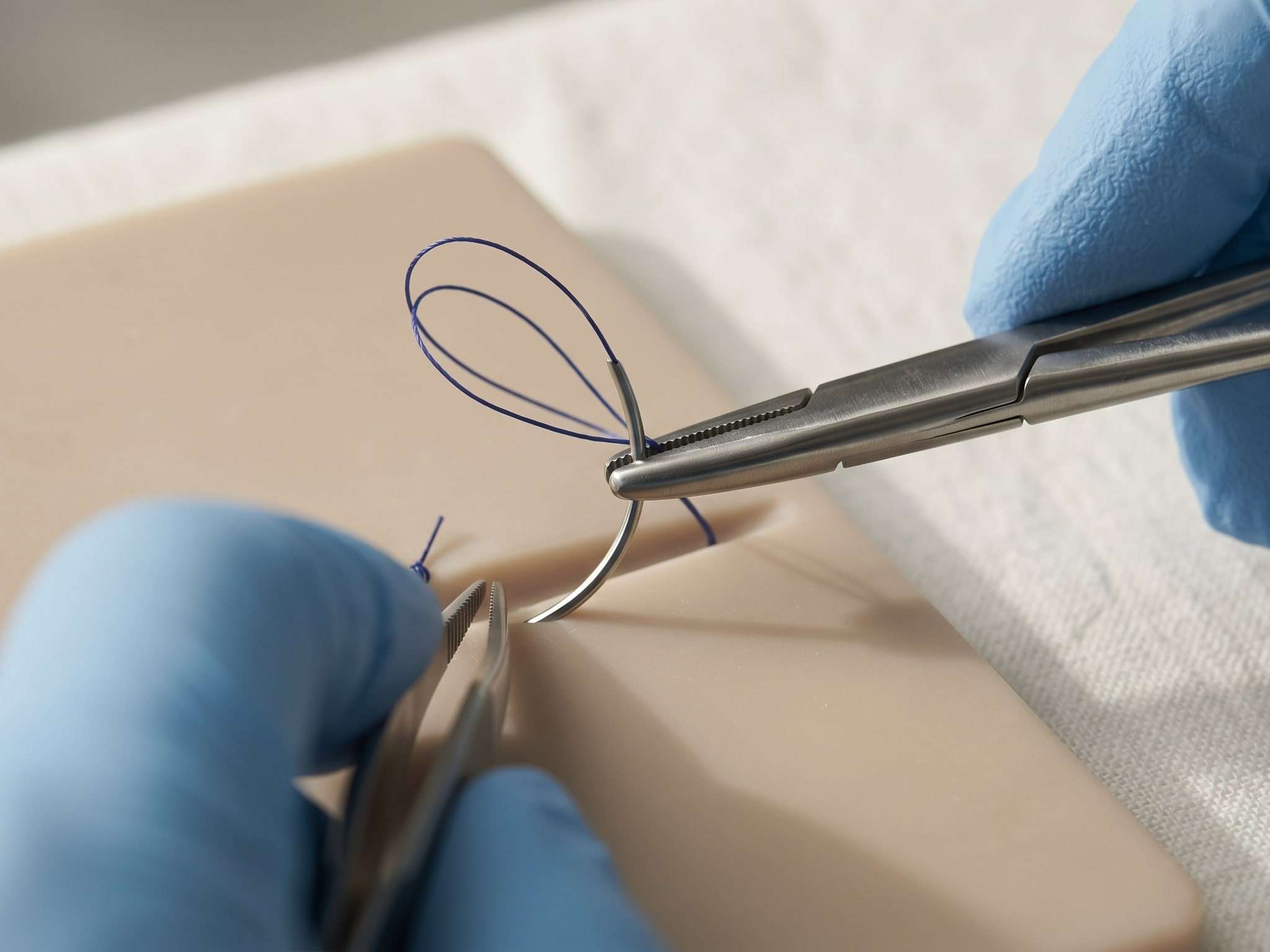
Wound-to-Scar™, the flagship, applies all six phases to surgical wound management and scar optimization, from the first assessment to the final scar. Foundations of Clinical & Minimally Invasive Procedural Medicine is the practical entry point for physicians without procedural experience: asepsis, local anesthesia, injection and puncture techniques, venous access, basic sutures and knots. Aesthetic Surgical Skills for Physicians develops applied aesthetic anatomy and the techniques of cosmetic closure, local flaps and plasties. Clinical Aesthetic Practice & Patient Safety brings clinical practice, safety and decision-making together: imaging as a safety tool, pharmacology, complications, the patient relationship and professional ethics.
The advanced and specialized programs
Clinical Simulation, Procedural Skills & Assessment is about how procedural skills are learned and assessed: simulation, feedback and objective assessment of technique, judgment and safety. Aesthetic Consultation, Ethics & Practice Development develops the consultation, consent, documentation and the ethical organization of a practice. Clinical Imaging & Ultrasound in Aesthetic Medicine develops facial and subcutaneous ultrasound, vascular anatomy and image guidance in depth.
The research line
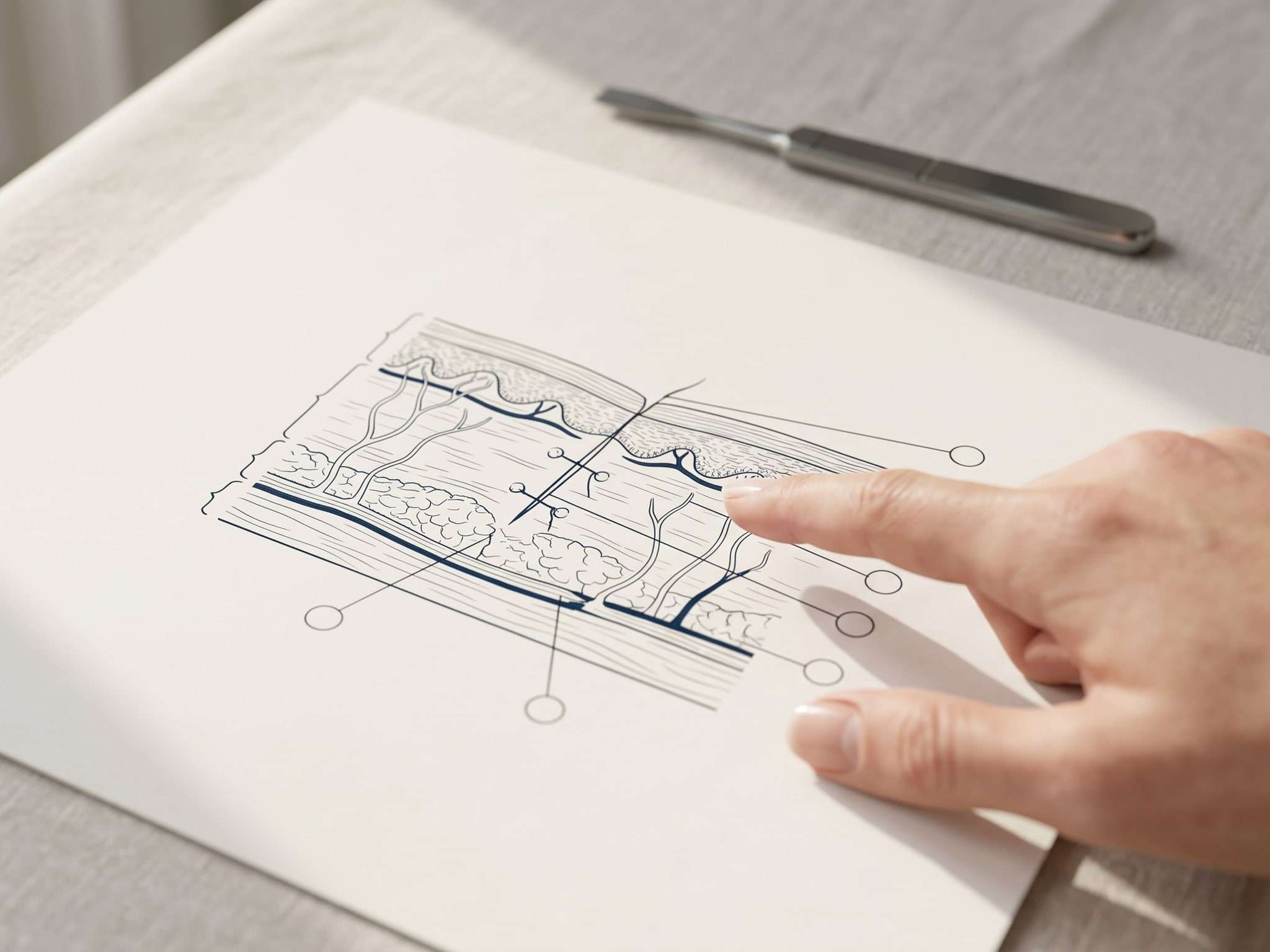
Wound Biology, Genetics & Regenerative Medicine is program 05. It is a line of research and educational development on the biology of healing and scarring, and it is not currently offered as teaching.
Who are the programs for?
They are designed for physicians and physicians in training: those who close wounds in emergency, primary care or hospital settings, residents and early-career surgeons, and physicians entering or already working in aesthetic practice. Each program page states its intended audience in detail.
What does “register interest” mean?
It means telling the Academy that you would like to hear about a program. There are no fees and no enrollment at this stage. You will be informed first when a program’s format, dates and venue are announced, and what you tell us about your specialty and setting will help shape how the programs are designed.
Questions
Where should I start?
It depends on your experience. Physicians without procedural experience are best served by Foundations of Clinical & Minimally Invasive Procedural Medicine, the entry point. Physicians who already close wounds can start with Wound-to-Scar™, the flagship. The advanced programs build on the core ones.
What is the difference between core and advanced programs?
The core programs cover the foundation: wound management, procedural basics, aesthetic surgical skills and safe clinical practice. The advanced and specialized programs go deeper into one field (simulation and assessment, consultation and practice development, clinical imaging) and assume the ground the core programs cover.
Are the programs accredited for CPD or CME?
No. The programs are not currently accredited for CPD or CME credit. Any accreditation will be stated on the program page only once it has been granted.
When will the first editions take place?
Format, dates and venue have not been announced. Registering interest is the way to hear first and to tell the Academy which format would suit your practice.
Who can take part?
According to the scope of each program: medical students with appropriate clinical preparation, newly graduated and resident physicians, practicing physicians and specialists, general practitioners, emergency and outpatient physicians, dermatologists and aesthetic physicians, and healthcare professionals involved in wound and procedural care. Eligibility depends on the program, professional qualifications and the regulations that apply.
How is program 05 different?
Program 05 is a research line on wound biology, genetics and regenerative medicine. It studies the science behind healing and scarring, is not currently offered as teaching and makes no clinical claims.